
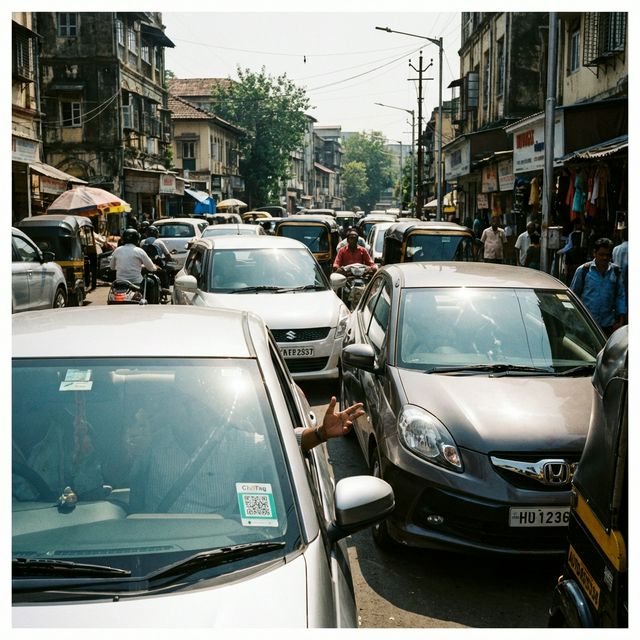
It's a frustratingly common scenario in Indian cities: you're ready to leave, but someone has parked their vehicle right behind yours, blocking your exit completely. There's no contact number visible, and you're stuck waiting with no idea how long it'll take.
This guide covers everything you need to know about handling blocked car situations in India—from immediate solutions to long-term preventive measures.
Understanding the Problem
Parking space scarcity is a defining characteristic of Indian urban life. Whether it's residential societies, shopping malls, office complexes, or street parking, the demand far exceeds supply. This creates a culture where double-parking and 'temporary' blocking becomes normalized.
According to urban mobility studies, the average Indian metropolitan driver encounters a blocked vehicle situation at least 3-4 times per month. The challenge isn't just the inconvenience—it's the complete lack of a standardized system to contact the blocking vehicle's owner. Traditional solutions like leaving phone numbers on dashboards create privacy concerns, while waiting indefinitely wastes valuable time and creates stress.
Immediate Actions You Can Take
When you find your car blocked, time is of the essence. Here are the most effective immediate steps:
- Check for Contact Information: Look carefully at the blocking vehicle's windshield or dashboard for any contact number, note, or QR code. Some modern car owners use privacy-protecting systems like CiviTag that allow anonymous contact.
- Ask Security or Nearby Shops: If you're in a society, mall, or commercial area, security guards often have registers of vehicle numbers and owner contacts. Nearby shopkeepers may also recognize regular vehicles.
- Make an Announcement: In residential societies or malls with PA systems, request an announcement. This often yields quick results.
- Use Your Car Horn: A few short honks (not continuous blaring) can alert the owner if they're nearby. Be mindful of noise pollution regulations and the time of day.
- Check for Neutral Gear: If the blocking vehicle is in neutral with the handbrake off, you might be able to push it slightly (with help) to create space. Only attempt this with witnesses and take photos beforehand to protect yourself legally.
Legal Rights and Recourse
Understanding your legal position is crucial. In India, deliberately blocking another vehicle can be considered wrongful restraint under Section 341 of the Indian Penal Code (IPC), public nuisance under Section 268 IPC if it's in a public area, or a violation of Motor Vehicles Act provisions regarding obstruction.
However, pursuing legal action for a parking dispute is usually impractical. Police intervention typically takes time and is reserved for serious cases. You have the right to contact local police (dial 100) if you're blocked for an unreasonable duration (typically 1+ hour), file a formal complaint at the police station, or in extreme cases, have the vehicle towed by traffic police (though this requires official authorization).
Modern Solutions: QR-Based Contact Systems
Technology is finally catching up with this urban problem. QR code-based vehicle communication systems like CiviTag offer a revolutionary approach:
How It Works: Vehicle owners display a unique QR code on their windshield. When someone needs to reach them, they simply scan it with their phone camera—no app download required. The scanner can send a pre-formatted alert ('You're blocking my car') or a custom message. The owner receives an instant push notification and can respond or take action immediately.
Key Benefits:
- Complete Privacy: Neither party's phone number is ever revealed
- Instant Communication: Notifications arrive in seconds
- No App Requirement: Scanners use their regular phone camera
- Works 24/7: Even if the owner is far away, they get the alert
Conclusion
Getting your car blocked is an inevitable part of urban Indian life, but it doesn't have to be a frustrating ordeal. By understanding your options—from immediate practical steps to legal rights—and by being part of the solution through technology adoption, we can collectively make this common problem far more manageable.